
Patio furniture
Conversation sets, dining layouts, shade, and flexible pieces for hard-surface outdoor rooms.
Explore patio furniture →Compare materials, plan clear walking space, choose seating that suits your climate, and care for it so it lasts. This independent guide covers patios, decks, poolsides, balconies, lawns, and gardens worldwide.

Allow room to walk, pull out dining chairs, open doors, and move cushions indoors.
Sun, salt air, rain, frost, wind, and humidity all change which materials make sense.
Look beyond cushions and colour. Joints, hardware, finish, and replacement parts matter.
Choose a maintenance routine you will realistically follow, not the one a showroom assumes.
The same chair can behave very differently on a sheltered deck, exposed lawn, humid poolside, or compact patio.
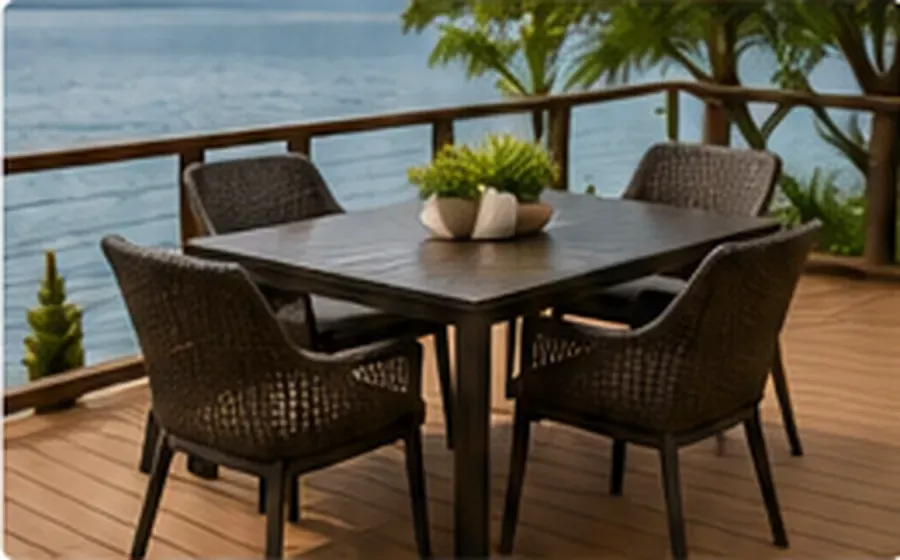
Conversation sets, dining layouts, shade, and flexible pieces for hard-surface outdoor rooms.
Explore patio furniture →Weight, feet, heat, drainage, and railing clearance deserve special attention on raised decks.
Explore deck furniture →
Quick-drying seating, corrosion resistance, stable feet, and clear safety routes around water.
Explore pool furniture →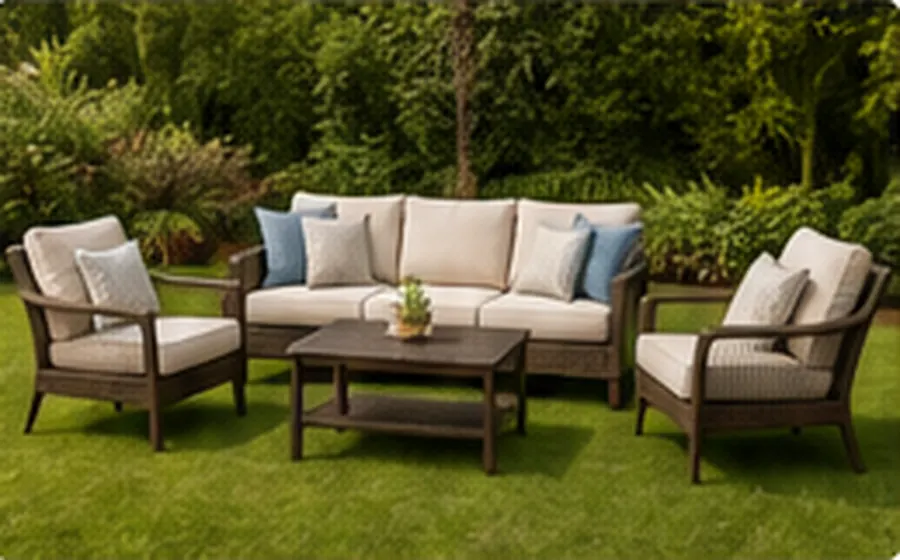
Stable bases, wind resistance, movable seating, and surface protection for grass and gardens.
Explore lawn furniture →A step-by-step process covering space, use, materials, comfort, storage, delivery, and warranty questions.
Compare aluminium, steel, wood, synthetic weave, HDPE lumber, and mixed-material designs.
Plan practical circulation, dining-chair movement, conversation distance, doors, and pathways.
Build a simple care routine based on material, finish, climate, use, and seasonal storage.
No material is universally best. The right answer depends on exposure, weight, storage, maintenance, and the quality of the particular product.
| Material | Typical strengths | Watch for | Often suits |
|---|---|---|---|
| Powder-coated aluminium | Light, corrosion-resistant, easy to move | Finish damage, low-quality joints, wind | Patios, decks, pool areas |
| HDPE lumber | Heavy, low-maintenance, moisture tolerant | Heat expansion, bulky pieces, weight | Windy sites, lawns, year-round use |
| Teak and durable hardwoods | Strong, repairable, natural appearance | Cost, colour change, maintenance choice | Dining, benches, sheltered or open patios |
| Synthetic weave | Comfortable, varied shapes, light-to-medium weight | UV quality, hidden frame, difficult repairs | Lounge groups and covered outdoor rooms |
| Powder-coated steel | Strong, often economical, stable | Rust where coating chips, heavy handling | Dining sets, sheltered patios, balconies |
Enter a rectangular outdoor area in metres or feet, reserve a circulation border, and see what kinds of layouts may fit.
Open the plannerChoose your main weather exposure, maintenance preference, and visual priority to identify materials worth comparing first.
Open the selectorMeasure the usable floor area, door swings, steps, gates, railings, low eaves, traffic routes, and the route used for delivery or winter storage. Record both metric and imperial dimensions if you may compare international products.
No. Price can reflect materials, construction, brand, shipping, and design, but it does not guarantee comfort or durability. Inspect the frame, joints, finish, hardware, fabric specification, warranty, and availability of replacement parts.
That depends on the fabric, fill, drainage, weather, and manufacturer instructions. Even outdoor-rated cushions usually last longer when kept dry, clean, and ventilated rather than left wet for long periods.
Prioritise stable feet, quick-drying surfaces, corrosion-resistant frames and hardware, rounded edges, and clear routes to gates and safety equipment. Follow local pool-barrier and safety requirements.